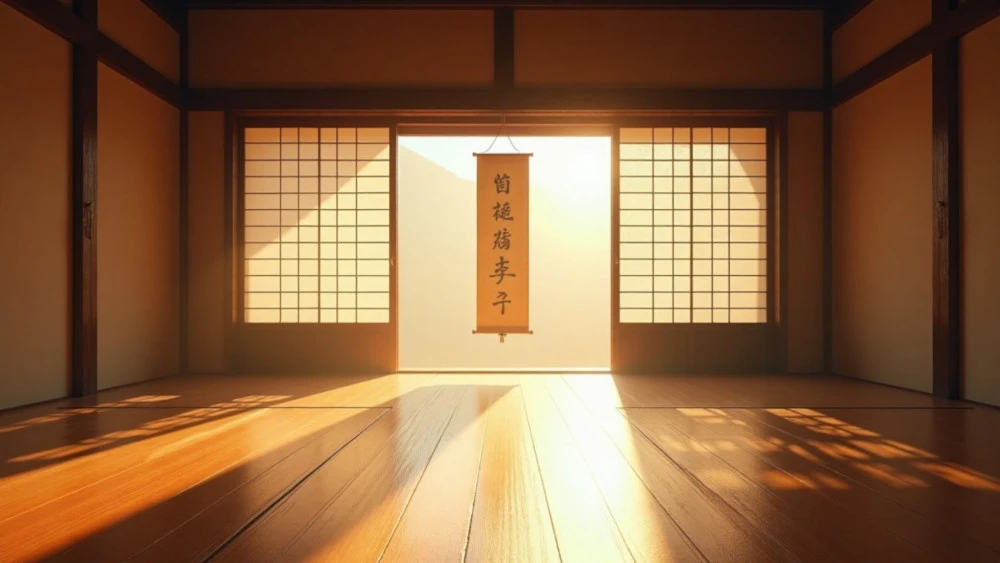
When children grow up without safety, guidance, or consistency, they often learn to rely on discipline and self-control just to survive. What looks like strength from the outside is often something much deeper—an adaptation to chaos.
This is how that pattern began for me.
Learning Strength the Lonely Way
There comes a moment in some childhoods when you realize no one is coming to save you.
That realization doesn't arrive loudly.
It settles in quietly and changes the way you move through the world.
For me, that moment didn't make me reckless.
It made me disciplined.
Why I Needed Structure So Badly
Chaos teaches you one thing very clearly:
If you don't create structure, you will be swallowed by disorder.
Martial arts gave me rules when life had none.
Clear expectations.
Clear consequences.
Clear progress.
You show up.
You train.
You fall.
You get back up.
That simplicity felt like safety.
For the first time, effort mattered.
Consistency mattered.
Endurance mattered.
And no one could take those things from me.
Being Strong Without Being Seen
I trained relentlessly.
Not for applause.
Not for praise.
I trained because discipline gave me control over something in a world that felt uncontrollable.
I earned belts.
I earned medals.
I earned respect in places that weren't home.
But again and again, I stood alone.
No one sat in the audience.
No one celebrated the milestones.
No one said they were proud.
And slowly, without realizing it, I learned a dangerous lesson:
"Achievement does not guarantee love"
That belief didn’t stay in childhood—it followed me into the way I understood relationships and worth. I explore that more in How to Stop Believing Love Has to Be Earned.
So I stopped chasing recognition.
I focused on mastery.
What Martial Arts Gave Me That Home Didn't
Martial arts didn't just teach me how to fight.
It taught me restraint.
It taught me that real strength is controlled.
That power without discipline is just chaos in a different form.
That you can be strong without being cruel.
It gave me:
- boundaries
- self-respect
- patience
- humility
- endurance
It gave me a code to live by when no one else was teaching me how to be a man.
Why I Still Push Myself So Hard
Even now, I sometimes wonder why I'm so relentless with myself.
Why rest feels uncomfortable.
Why I struggle to stop striving.
The answer lives here.
When discipline becomes your lifeline, letting go of it feels dangerous.
Stillness feels like vulnerability.
Rest feels like exposure.
I learned to survive by staying sharp.
By staying ready.
By staying strong.
That kind of conditioning doesn't disappear just because life gets calmer.
Strength as Identity
For a long time, strength wasn't something I had.
It was something I was.
Strong enough not to break.
Strong enough not to need help.
Strong enough not to be a burden.
But strength without softness eventually becomes armor—and armor gets heavy.
It took years to understand that being strong doesn't mean being alone.
That discipline can coexist with gentleness.
That control doesn't require isolation.
"As iron sharpens iron, so one person sharpens another."
What This Chapter Still Teaches Me
I am grateful for the discipline that saved me.
It gave me direction when I had none.
It gave me identity when mine was being stripped away.
But I am also learning now—slowly, imperfectly—that I don't have to earn my worth through endurance anymore.
I can rest.
I can receive.
I can be held.
Strength helped me survive my beginnings.
Healing is teaching me how to live beyond them.
Continue the Story
These chapters continue the journey from survival into identity, relationships, and healing:
- How Childhood Emotional Neglect Teaches You to Survive (When the World Turned Cold)
The moment childhood shifted from uncertainty into survival. - How to Stop Believing Love Has to Be Earned
How discipline and endurance shaped my understanding of worth and love. - How to Break Generational Patterns as a Father
Choosing not to pass survival habits on to the next generation.
Move Through This Book